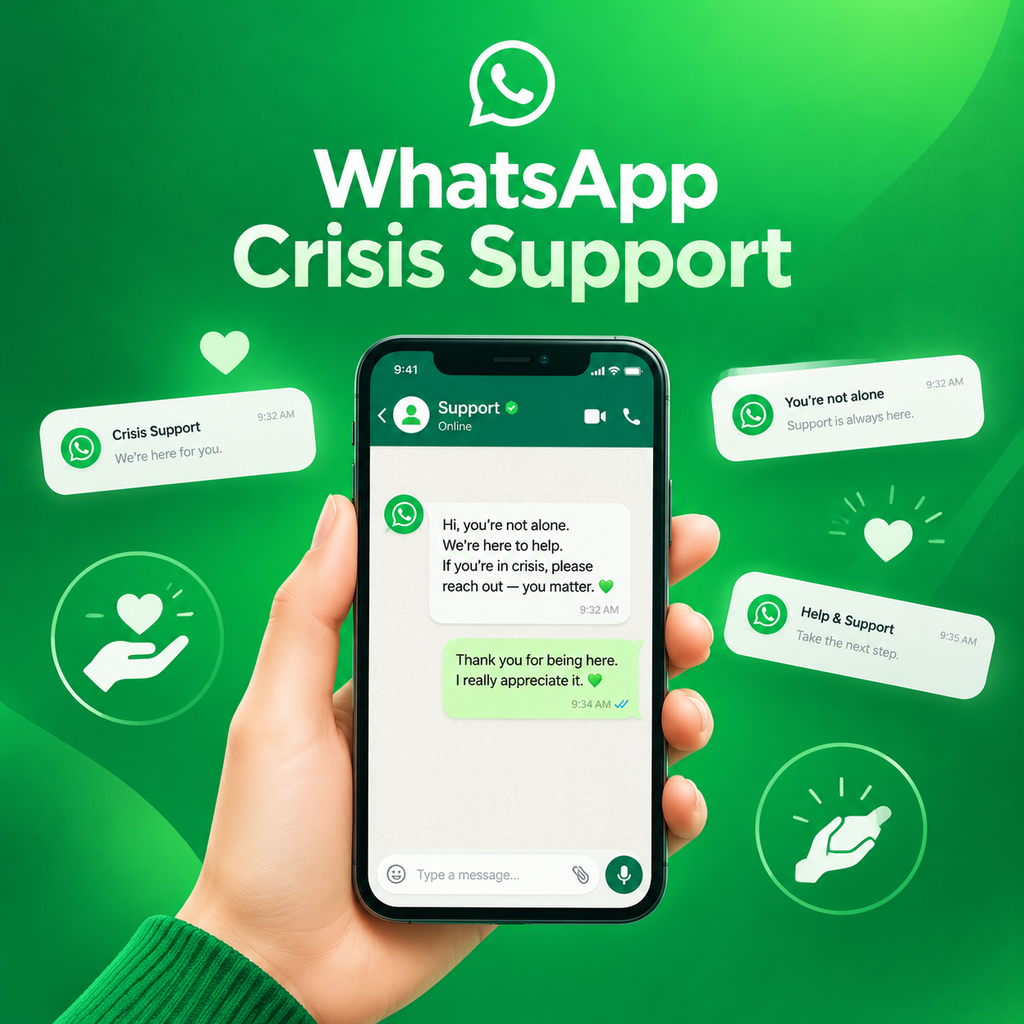
Missing People launch WhatsApp crisis support
A New Lifeline for Young People in Crisis
When 19-year-old Ros found herself alone and frightened in the woods, she had no idea where to turn. Like tens of thousands of young people who go missing each year in the UK, she needed someone who would listen without judgment. Now, thanks to a groundbreaking new service from the charity Missing People, help is just a WhatsApp message away. The charity has launched a free and confidential WhatsApp support service as part of its SafeCall offering, designed to reach children and young people in their moments of greatest need.
The service allows young people to send a quick message to trained staff if they don't feel comfortable talking on the phone. It's a simple yet powerful innovation that meets young people where they are — on the messaging apps they use every day.
Why WhatsApp Matters for Crisis Support
For years, young people have been asking Missing People to provide support via WhatsApp. The charity listened. Amy Walker, head of digital development at Missing People, explained: "Thanks to the support from The Independent and their readers, we have added WhatsApp as a channel for young people to reach us when they need us most. They have been asking to access our non-judgemental and empathetic team via WhatsApp for years, and it is exciting that we can finally fulfil their request."
The new service is available between 10am and 10pm every day, allowing young people to speak with the charity anonymously. This anonymity is crucial — many young people in crisis feel embarrassed, scared, or ashamed, and the ability to reach out without revealing their identity can be the difference between getting help and suffering in silence.
How SafeCall and WhatsApp Work Together
SafeCall is a free and confidential support service designed to keep children and young people safe. It is specifically tailored for those who are missing, at risk of going missing, or being criminally exploited. The addition of WhatsApp as a contact channel expands the ways young people can access help.
The service operates alongside Missing People's existing helpline, which is available via call, text, and online chat. While the helpline number — 116 000 — remains a vital resource, WhatsApp offers a more informal and accessible entry point for young people who might be hesitant to call. The charity's trained staff provide sensitive, empathetic support, helping young people explore their situations and access the right support.
What Happens When You Message?
When a young person sends a WhatsApp message to Missing People, they are connected with a trained staff member or volunteer who will listen without judgment. The team is experienced in supporting young people who are running away, missing adults, and those who feel stuck and need guidance. They can also help individuals reconnect safely with families and support networks, always with the guidance of an experienced supervisor.
The Scale of the Challenge
Tens of thousands of young people go missing in the UK every year. Each one has a unique story, but many share common experiences: feeling isolated, misunderstood, or trapped in situations they can't control. For these young people, traditional phone calls can feel intimidating. WhatsApp offers a lower-pressure way to start a conversation.
Missing People is the only UK charity providing a lifeline to those affected by a disappearance or thinking of going missing. Its helpline is open seven days a week, between 10am and 10pm. The charity also provides ongoing support specifically for families and friends who are worrying about a missing person or someone who has been found. The new WhatsApp service is another tool in its mission to ensure no one has to face this crisis alone.
Volunteers: The Heart of the Service
To make the WhatsApp service possible, Missing People has been recruiting text and chat volunteers who can provide compassionate, safe, and reliable support remotely. These volunteers use the charity's secure digital platforms — chat, text, and WhatsApp — to communicate with children, young people, and adults in crisis. They are trained to be a calm, reassuring presence, often at a critical moment in someone's life.
Breaking Down Barriers to Help
One of the biggest barriers to seeking help is fear of judgment. Young people may worry that they will be blamed for their situation or that their problems aren't serious enough. Missing People's approach is explicitly non-judgmental. The charity's staff and volunteers are there to listen, not to lecture.
Confidentiality is another key factor. The WhatsApp service allows young people to reach out anonymously, which can be especially important for those who are in unsafe situations or who fear repercussions from adults in their lives. By offering a secure and private channel, Missing People is making it easier for young people to take that first step.
Looking Ahead: The Future of Digital Crisis Support
The launch of WhatsApp support is a significant milestone, but it's part of a broader shift in how crisis services are delivered. Digital platforms offer flexibility, immediacy, and a sense of familiarity that can be particularly effective for younger generations. As technology evolves, so too will the ways in which charities like Missing People reach those in need.
For now, the message is simple: if you are missing, thinking of going missing, or worried about someone who is, you are not alone. Whether you call, text, chat online, or send a WhatsApp message, Missing People is there. As Ros discovered, even in the darkest moments, a lifeline can appear — sometimes in the most unexpected places. The charity's innovative use of WhatsApp is a testament to its commitment to meeting young people where they are, and to ensuring that help is always within reach.