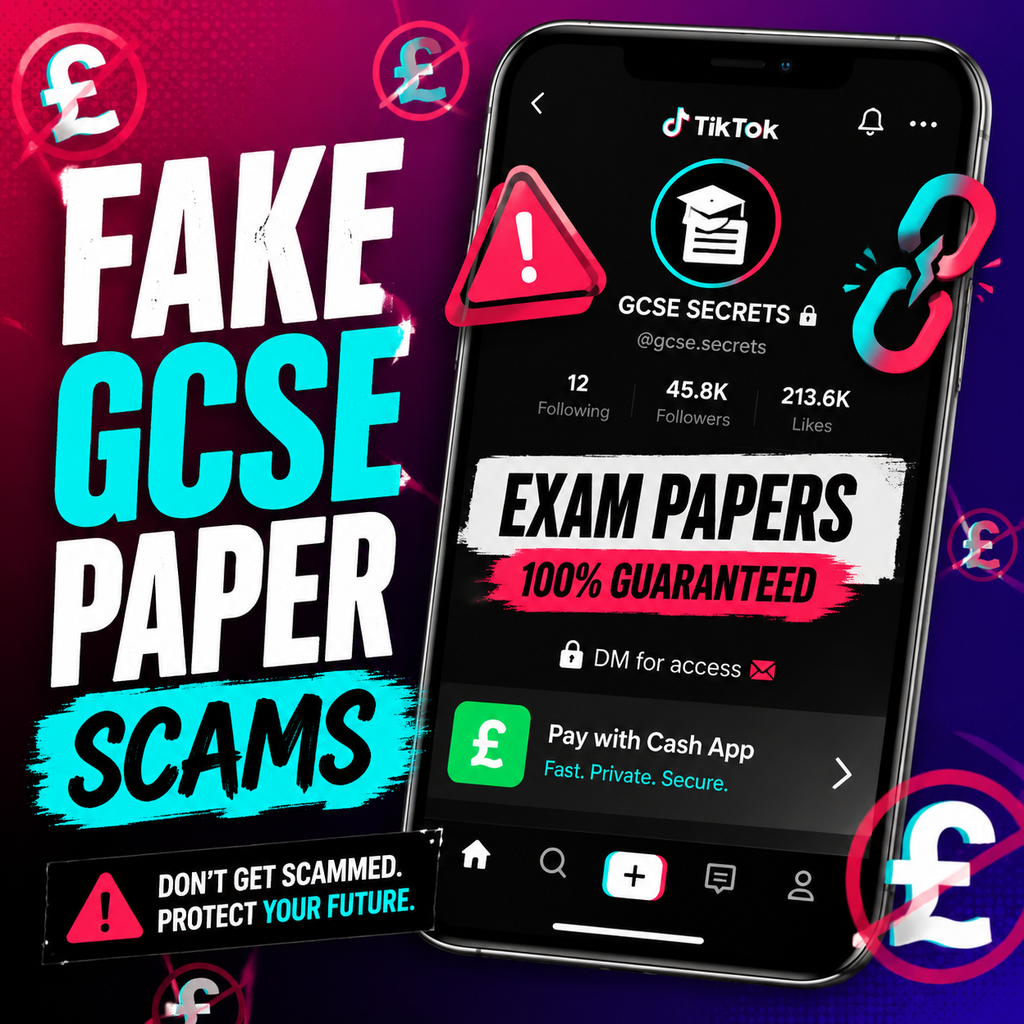
TikTok scammers charging desperate students hundreds for fake GCSE exam papers
The Rising Tide of Exam Paper Scams on Social Media
Desperate students are falling for scams on TikTok, Snapchat and Instagram and parting with anything from £7.50 to a whopping £4,000 for what they believe are leaked GCSE and A-level exam papers. These fraudulent accounts are exploiting the immense pressure of exam season, targeting vulnerable teens with promises of guaranteed passes and refunds for those who don't achieve a grade 4 or above. However, exam boards have confirmed that legitimate leaks are extremely rare, and those who purchase fake papers risk losing money and facing serious malpractice penalties.
How the Scams Operate Across Platforms
Fraudsters typically advertise on TikTok and Instagram, directing potential victims to private accounts or payment apps like Cash App. BBC News uncovered dozens of accounts on Instagram and TikTok claiming to have access to this year’s exam papers, with prices starting as low as £7.50 for a single paper and skyrocketing to thousands of pounds. One GCSE student reported being quoted £500 for a paper on Instagram, while another knew classmates who paid up to £900. The scammers often use doctored images of previous exams, altering dates and cover text to create a veneer of authenticity, so students think they’re buying real leaked papers.
Why Students Are Falling for These Scams
The intense stress of exam season makes students particularly vulnerable. A GCSE pupil described the prospect of buying papers early as “the most talked about hype” of exam season. Fraudsters exploit this anxiety with slick marketing, including fake testimonials from supposed happy customers and offers of money-back guarantees. Some accounts use official exam board logos to build credibility, making it hard for students to distinguish between real and fake. The psychological manipulation is effective—teens feel they’re gaining an edge, but they’re actually being exploited financially and emotionally.
Exam Boards' Battle Against Social Media Fraud
The Joint Council for Qualifications (JCQ) has urged social media platforms like Meta and TikTok to take more decisive action. Currently, teams of analysts at exam boards manually scour social media for scammers but can only report incidents through the same channels as any user. The JCQ wants direct access to enforcement teams so they can shut down fraudulent accounts more quickly. Bill Hewison, a case analyst at AQA, noted that many scammers use multiple accounts, making detection challenging. Despite this, the JCQ firmly states that attempting to obtain real or fake papers constitutes malpractice, with penalties including disqualification from entire exams.
Social Media Platforms' Response and Responsibilities
Meta, Instagram’s parent company, maintains a policy against the sale of exam papers or answer sheets and removes flagged accounts. TikTok pledges to remove content promoting fraud or scams, and Snapchat also bans fraudulent accounts. However, the sheer volume and persistence of these scams suggest their enforcement isn’t enough. The JCQ has called for platforms to provide better reporting tools and faster takedown processes. In 2024, BBC News found that accounts were still easily discoverable on TikTok, with students like Oscar saying, “They’re everywhere.” Social media companies must balance protecting users while not over-censoring, but the stakes for students are high.
The Real Cost of Falling for Scams
Beyond the financial loss—ranging from tens to thousands of pounds—students risk severe academic consequences. Ofqual’s chief regulator Jo Saxton warned students not to rely on “fraudsters on the internet.” A student who paid £60 last year for a GCSE maths paper received nothing but a lesson in trust. The emotional toll adds to existing exam stress, and schools like Whitburn Church of England Academy explicitly warn students that ads for leaked papers “are almost always scams and losing money will only add to your stresses.” The true cost isn’t just monetary; it’s the wasted time, anxiety, and risk to academic integrity.
How Students and Parents Can Stay Safe
To avoid these scams, students should be skeptical of any account selling exam papers online, especially those with too-good-to-be-true promises. Parents and teachers can play a role by discussing the risks and reminding students that exam boards confirm leaks are extremely rare. If they encounter suspicious accounts, students should report them immediately to the platform and to their school. The JCQ advises that any attempt to obtain confidential material—real or fake—is malpractice. Instead of seeking shortcuts, students should focus on legitimate revision resources and report accounts to help protect their peers. Ultimately, the best defense against exploitation is awareness and community vigilance.