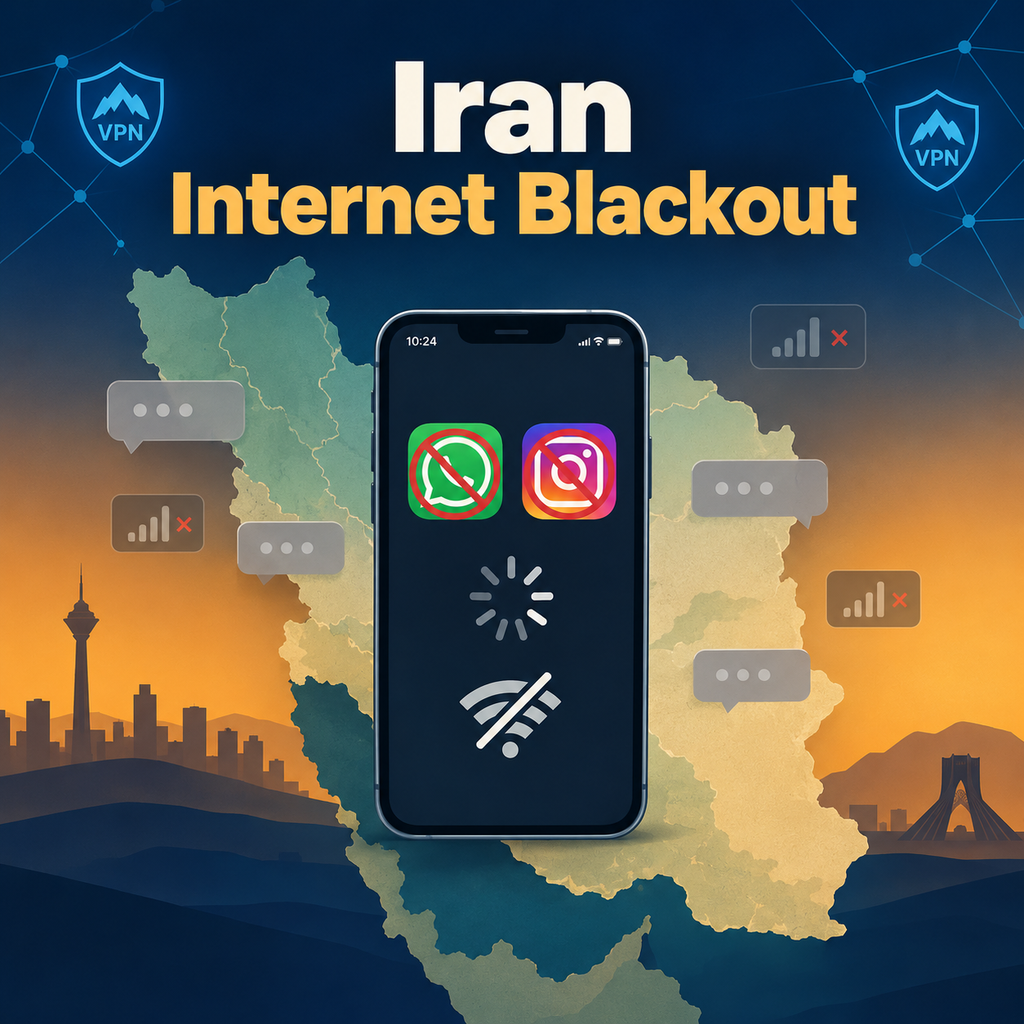
Iran’s 87-Day Internet Blackout May End Soon: How Iranians Navigate Life Without WhatsApp, Instagram
A Nation Offline: The 87-Day Blackout
For 87 days, Iranians have lived under the longest nationwide internet blackout in the country's history—a sweeping communications shutdown that has cut off access to WhatsApp, Instagram, and the global internet. Now, President Masoud Pezeshkian has reportedly ordered the Ministry of Communications to restore international internet access, signaling a potential end to the unprecedented blackout. The shutdown, which began in early January amid protests, has disrupted daily life for millions, forcing citizens to adapt to a new digital reality.
As the government considers gradually restoring connectivity, the world watches to see how a nation so deeply connected will emerge from its digital isolation.
How Iranians Adapt: The Rise of Domestic Apps
With international platforms blocked, Iranians have turned to domestic alternatives like Rubika, a local messaging app that has seen a surge in downloads. State television has been promoting such apps as part of a broader push toward a "national internet." Citizens have also relied on the intranet for essential services, from ride-hailing to banking, but the experience is far from seamless. "We can barely send a text message without VPNs," says one Tehran resident, who requested anonymity. "The domestic apps are slow and heavily monitored."
VPNs: A Lifeline Under Threat
For many, VPNs have become indispensable tools for bypassing restrictions. However, authorities have been actively blocking VPN connections, making it a cat-and-mouse game. "Every day, they block another VPN," says a 22-year-old student. "We have to constantly find new ones." Some have turned to creative workarounds, such as using satellite connections or foreign SIM cards, but these are often unreliable or prohibitively expensive.
Economic Impact: Businesses Struggle to Survive
The blackout has taken a heavy toll on Iran's economy, particularly for small businesses and freelancers who depend on international platforms. E-commerce has been hit hard, with many online stores unable to process payments or communicate with customers abroad. "I lost 80% of my income," says a graphic designer in Isfahan. "Clients can't reach me, and I can't send files." The government claims the domestic intranet has kept essential services running, but critics argue that it's a poor substitute for the global internet.
The Cost of Connectivity
Even before the blackout, internet access in Iran was expensive and slow. Mobile operators recently raised data prices by up to 40%, further straining household budgets. "We pay more for less," says a mother of two in Shiraz. "My children need internet for online classes, but we can't afford the data packages." The tiered internet system, which restricts access to the global web, has been criticized for creating a digital divide that favors those with money and technical know-how.
Information Void: The Fight for News and Expression
With global social media blocked, Iranians have struggled to access independent news and share information. State media dominates the narrative, while foreign broadcasts are jammed. Protesters have relied on encrypted apps like Signal, but even these are frequently disrupted. "We hardly know what's happening in our own country," says a journalist in Tehran who asked not to be named for safety reasons. "The blackout is not just about connectivity; it's about control."
Starlink and the Future of Circumvention
Elon Musk's announcement that Starlink would be made available to Iranians raised hopes, but practical hurdles remain. Satellite dishes are illegal, and the technology is difficult to access without government approval. Still, some see it as a symbol of resistance. "It's a glimpse of hope," says a digital rights activist. "But we need more than hope; we need sustained access."
Health and Education: The Hidden Casualties
The blackout has had severe consequences for healthcare and education. Telemedicine services have been disrupted, and patients cannot access online medical records. Students, already burdened by the pandemic, have seen their education suffer as online classes become impossible. "My daughter missed her final exams because she couldn't connect," says a father in Tabriz. "The government says they care about education, but actions speak louder than words."
Mental Health: The Psychological Toll of Isolation
Beyond the practical challenges, the blackout has taken a psychological toll. Social isolation has increased, especially among young people who relied on Instagram and WhatsApp to connect with friends and family abroad. "I feel cut off from the world," says a 19-year-old in Mashhad. "It's like living in a bubble." Mental health professionals report a rise in anxiety and depression, with many unable to access online support services.
The Road Ahead: What Restoring Internet Means
As the government hints at restoring access, Iranians remain cautiously optimistic. "We've heard promises before," says a shopkeeper in Tehran. "But we hope this time it's real." The gradual restoration, if it happens, could ease some burdens, but many wonder if it will be a temporary reprieve or a lasting change. Digital rights advocates warn that the blackout has set a dangerous precedent. "This is a wake-up call," says one activist. "We need to ensure that the internet remains open and free, not a privilege granted and revoked at will."
Lessons from the Blackout
The 87-day blackout has exposed the fragility of digital rights in Iran and beyond. It has also highlighted the resilience of Iranians, who have found ways to adapt and resist. As the world watches, the question remains: will the end of the blackout mark a new beginning, or just a pause in the ongoing struggle for a free and open internet?