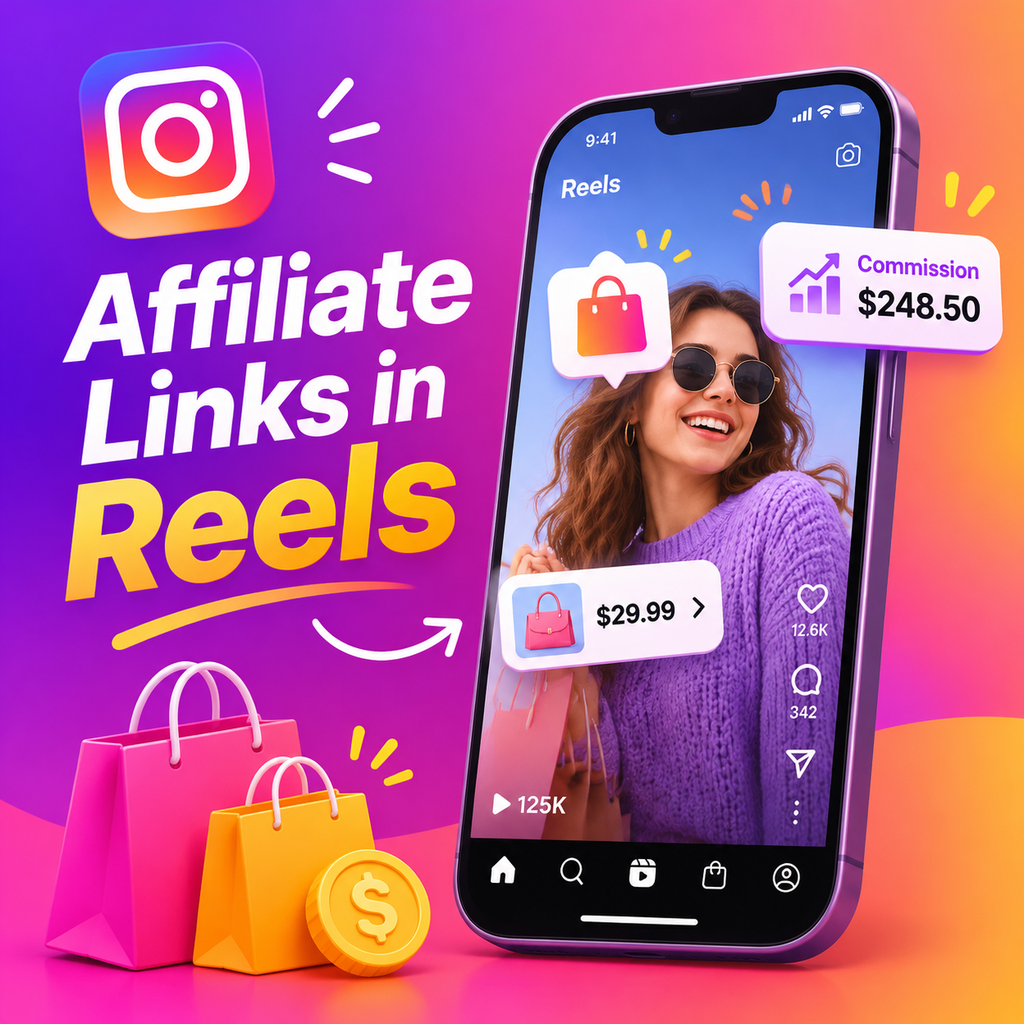
Instagram Now Lets Creators Add Affiliate Links to Reels
A New Era of Shoppable Reels
Instagram has long been a place where discovery meets desire—you see a product in a creator's video, and suddenly you need it. But until now, that journey often ended with a frustrating detour: a "link in bio" that required extra taps and patience. That's changing. Instagram's native affiliate linking for Reels is here, letting creators tag products directly in their videos and earn commissions when followers buy. It's a move that could reshape how we shop on social media—and how creators monetize their content.
The feature, which started rolling out in select markets, is a big deal for anyone who's ever tried to turn their passion into a paycheck. Instead of relying on bio links or Stories, creators can now embed affiliate product tags right in their Reels, making the path from inspiration to purchase seamless. And with up to 30 product links per Reel, the earning potential is significant.
How Affiliate Linking Works on Reels
Getting started is surprisingly straightforward. First, you'll need to connect your Instagram account to an affiliate program—think Amazon Associates, for example. You can do this from your Professional Dashboard under Monetization > Affiliate Programs > Connect, or right from the Reel creation screen. Once connected, you can browse the partner's product catalog and add links to your video with just a few taps.
When you're creating a Reel, simply tap Add products, choose the affiliate program, and search for the product by name or URL. After selecting, the product tag appears in your Reel, and viewers can tap it to see details and complete the purchase. The entire process is native to Instagram, so you don't have to switch apps or jump through hoops. And the best part? Instagram isn't taking a cut of your commissions—at least for now. Commissions are paid directly by the affiliate partner.
Eligibility Requirements for Creators
Before you start dreaming of dollar signs, there are a few boxes you need to check. To use affiliate partnerships, you must be at least 18 years old, have a public professional account, and boast more than 1,000 followers. You also need to be in a supported market—availability varies by location. And of course, you must comply with Meta's monetization and Partner Monetization Policies.
It's worth noting that the feature is rolling out gradually, so even if you meet all the criteria, you might not see it immediately. But for those who qualify, the opportunity is substantial. With up to 30 product links per Reel (or 20 per feed post), you can showcase multiple products in a single piece of content, giving your audience a curated shopping experience without ever leaving the app.
Maximizing Your Earnings with Strategic Tagging
The key to success with affiliate Reels isn't just about slapping links on everything you post. It's about strategy. Instagram's recommendation systems will still prioritize content based on user interests, so genuine, engaging content that naturally features products will perform best. A spokesperson for Instagram noted that product links directly on Reels and posts draw about twice as many clicks as bio links—a compelling reason to make them a core part of your content strategy.
To make the most of this, focus on products you genuinely use and love. Demonstrate them in action, explain why they're valuable, and be transparent about the fact that you earn a commission. Authenticity builds trust, and trust drives conversions. Also, keep an eye on which products have higher commission rates—Instagram shows estimated commission rates before you add a product, so you can prioritize wisely. And remember, product tags are hidden if the product isn't featured in your content, so make sure your visuals align with what you're tagging.
The Impact on Brands and Shoppers
For brands, this new feature offers a direct line to creators and their engaged audiences. It's a win-win: creators earn commissions, and brands get authentic promotion from trusted voices. For shoppers, the experience becomes frictionless. No more digging through bios or typing out URLs—just tap the product tag and buy. Instagram claims that product links on Reels and posts get twice as many clicks as bio links, so it's clear that native tagging is the way forward.
Moreover, the integration with Amazon means that a vast catalog of products is available right away. In an example shared by Meta, a creator applies makeup in a Reel, and a small product tile pops up above her name. Tap it, and you're taken to a page within Instagram showing the price, then off to Amazon to complete the purchase. It's a smooth, intuitive flow that could significantly reduce friction in social commerce.
Challenges and Considerations
Of course, no feature is without its challenges. For one, the rollout is gradual, so not everyone will have access immediately. Also, while Instagram's recommendation systems are designed to prevent a flood of shopping content, some users might feel overwhelmed by the sudden increase in product tags. Instagram's spokesperson assured that they don't expect a sudden influx, but only time will tell.
Another consideration is the requirement to connect an affiliate account. For creators who are new to affiliate marketing, this adds an extra step. And while Instagram doesn't take a commission, the affiliate partner does—so creators need to understand the terms of their affiliate program. Finally, product tags are hidden if the product is out of stock or doesn't pass integrity checks, so creators must ensure their tagged products are available and compliant.
What This Means for the Future of Social Commerce
Instagram's move into native affiliate linking is a clear signal that social commerce is evolving. By removing the friction between content and purchase, the platform is positioning itself as a one-stop shop for creators and brands. This could lead to more integrated shopping experiences across Instagram, with shoppable Reels becoming as common as shoppable Stories.
For creators, it's a powerful new revenue stream that rewards creativity and influence. For shoppers, it's a more seamless way to discover and buy products. And for Instagram, it's a way to keep users engaged and drive ad revenue. The future of social commerce is here, and it's looking more shoppable than ever. So if you're a creator, it's time to start experimenting with affiliate Reels—your audience (and your wallet) will thank you.