درک بازاریابی دیجیتال: انواع کلیدی، کانالها و مثالها
بازاریابی دیجیتال چیست؟
بازاریابی دیجیتال به تمام تلاشهای بازاریابی اطلاق میشود که از کانالهای دیجیتال مانند موتورهای جستجو، رسانههای اجتماعی، ایمیل و وبسایتها برای ارتباط با مشتریان فعلی و بالقوه استفاده میکند. برخلاف بازاریابی سنتی مانند چاپ یا تلویزیون، بازاریابی دیجیتال از اینترنت برای دسترسی به افراد در دستگاههایشان بهره میبرد و تعامل بلادرنگ و نتایج قابل اندازهگیری را ارائه میدهد.
در هسته خود، بازاریابی دیجیتال استراتژی، خلاقیت و داده را برای ترویج برندها، محصولات یا خدمات ترکیب میکند. این شامل طیف گستردهای از تاکتیکها، از پستهای وبلاگ و ویدیو گرفته تا تبلیغات پولی و کمپینهای ایمیل است که همگی برای جذب مخاطبان هدف در لحظه مناسب طراحی شدهاند. از آنجایی که مصرفکنندگان اکنون زمان زیادی را به صورت آنلاین میگذرانند، بازاریابی دیجیتال برای کسبوکارها در هر اندازهای ضروری شده است و به آنها امکان میدهد آگاهی از برند را ایجاد کنند، سرنخ تولید کنند و فروش را با دقت افزایش دهند.
انواع کلیدی کانالهای بازاریابی دیجیتال
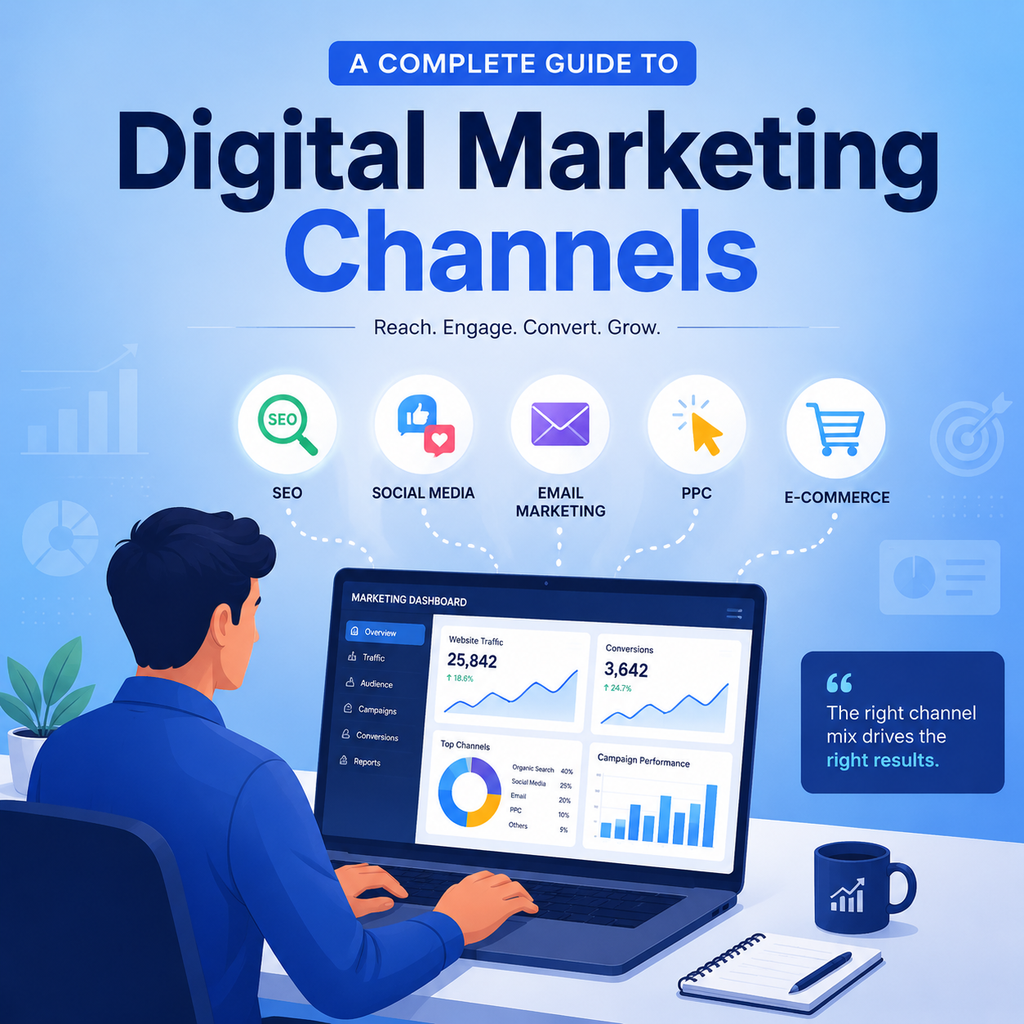
کانالهای بازاریابی دیجیتال پلتفرمها و روشهایی هستند که برای ارسال پیامهای بازاریابی استفاده میشوند. هر کانال هدف منحصر به فردی دارد و میتواند برای اهداف خاصی مانند افزایش ترافیک، افزایش تبدیل یا پرورش وفاداری مشتری تنظیم شود. در زیر، تأثیرگذارترین کانالها و نحوه عملکرد آنها را بررسی میکنیم.
بهینهسازی موتور جستجو (SEO) و بازاریابی موتور جستجو (SEM)
SEO بر بهبود رتبه ارگانیک یک وبسایت در موتورهای جستجویی مانند گوگل تمرکز دارد. با بهینهسازی محتوا با کلمات کلیدی مرتبط، ایجاد بکلینک و اطمینان از عملکرد فنی، کسبوکارها میتوانند در طول زمان ترافیک رایگان و هدفمند جذب کنند. SEM شامل هر دو SEO ارگانیک و تبلیغات جستجوی پولی (PPC) است و دید فوری در صفحات نتایج جستجو ارائه میدهد. به عنوان مثال، یک نانوایی محلی ممکن است از SEO برای رتبهبندی برای "نان تازه نزدیک من" استفاده کند در حالی که یک کمپین Google Ads برای "کیکهای سفارشی" اجرا میکند.
بازاریابی محتوا
بازاریابی محتوا شامل ایجاد و توزیع محتوای ارزشمند و مرتبط مانند وبلاگها، ویدیوها، کتابهای الکترونیکی و پادکستها برای جذب و حفظ مخاطب است. به جای فروش مستقیم، اعتماد و اقتدار ایجاد میکند و اغلب از SEO و پرورش سرنخ پشتیبانی میکند. یک شرکت نرمافزاری ممکن است یک راهنمای دقیق در مورد بهرهوری کار از راه دور منتشر کند که نه تنها در جستجو رتبه میگیرد، بلکه آنها را به عنوان متخصصان صنعت معرفی میکند.
بازاریابی رسانههای اجتماعی
پلتفرمهای رسانههای اجتماعی مانند فیسبوک، اینستاگرام، لینکدین و تیکتاک به برندها اجازه میدهند محتوا را به اشتراک بگذارند، با دنبالکنندگان تعامل کنند و تبلیغات هدفمند اجرا کنند. این کانال در ایجاد جامعه، تقویت صدای برند و افزایش تعامل عالی است. بازاریابی تأثیرگذار (همکاری با شخصیتهای محبوب رسانههای اجتماعی) و بازاریابی وابسته (که در آن سازندگان برای افزایش فروش کمیسیون دریافت میکنند) در این دسته قرار میگیرند.
بازاریابی ایمیلی
ایمیل یکی از مقرونبهصرفهترین کانالها برای پرورش سرنخ و حفظ مشتریان باقی مانده است. بازاریابان پیامهای هدفمندی مانند خبرنامهها، پیشنهادات تبلیغاتی و توصیههای شخصیسازی شده را برای مشترکین ارسال میکنند. با اتوماسیون، ایمیلها میتوانند توسط اقدامات کاربر (مانند رها کردن سبد خرید) برای بازیابی فروش فعال شوند. معیارهای کلیدی شامل نرخ باز شدن، نرخ کلیک و نرخ تبدیل است.
تبلیغات پرداخت به ازای کلیک (PPC)
PPC به کسبوکارها اجازه میدهد تبلیغات را در موتورهای جستجو، رسانههای اجتماعی یا وبسایتهای دیگر نمایش دهند و فقط زمانی که کاربر کلیک میکند هزینه پرداخت کنند. پلتفرمهایی مانند Google Ads و Facebook Ads از سیستمهای پیشنهاد قیمت بر اساس کلمات کلیدی، هدفگیری مخاطب و کیفیت تبلیغ استفاده میکنند. PPC ترافیک فوری ارائه میدهد و برای کمپینهای حساس به زمان، مانند فروش تعطیلات یا راهاندازی محصول، ایدهآل است.
تبلیغات نمایشی و ویدیویی
تبلیغات نمایشی بنرهای بصری هستند که در وبسایتها، برنامهها یا رسانههای اجتماعی قرار میگیرند، در حالی که تبلیغات ویدیویی در پلتفرمهایی مانند یوتیوب یا در محتوای استریم ظاهر میشوند. این قالبها برای جلب توجه به تصاویر جذاب و هدفگیری متکی هستند. بازاریابی ویدیویی، به طور خاص، میتواند نمایش محصول، نظرات مشتریان یا داستانهای برند را به نمایش بگذارد و اغلب تعامل و اشتراکگذاری بالایی ایجاد میکند.
بازاریابی وابسته و تأثیرگذار
بازاریابی وابسته به اشخاص ثالث (وبلاگنویسان، صاحبان وبسایت) برای هدایت ترافیک یا فروش از طریق لینکهای منحصر به فرد پاداش میدهد. بازاریابی تأثیرگذار از افراد با دنبالکنندگان زیاد برای ترویج محصولات به روشی معتبر استفاده میکند. هر دو کانال مبتنی بر عملکرد، مدل پرداخت بر اساس نتایج را ارائه میدهند و ریسک را کاهش میدهند و در عین حال دامنه را گسترش میدهند.
چگونه هر کانال در استراتژی بازاریابی دیجیتال قرار میگیرد
بازاریابی دیجیتال مؤثر در مورد استفاده از هر کانال نیست - بلکه در مورد انتخاب ترکیب مناسب بر اساس مخاطب، اهداف و منابع است. به عنوان مثال، یک شرکت B2B ممکن است محتوای لینکدین و پرورش ایمیل را اولویت دهد، در حالی که یک برند تجارت الکترونیک ممکن است سرمایهگذاری زیادی روی تبلیغات اینستاگرام و PPC انجام دهد. اکثر کمپینهای موفق چندین نقطه تماس را ادغام میکنند، زیرا مصرفکنندگان اغلب قبل از تبدیل از طریق چندین کانال با یک برند تعامل دارند. به عنوان مثال، یک مشتری ممکن است یک برند را از طریق یک پست وبلاگ (بازاریابی محتوا) کشف کند، آنها را در اینستاگرام دنبال کند (رسانههای اجتماعی)، برای ایمیل ثبت نام کند و در نهایت پس از کلیک بر روی یک تبلیغ ریتارگتینگ (PPC) خرید کند.
درک نقاط قوت و بازه زمانی هر کانال همچنین به تخصیص منابع کمک میکند. SEO و بازاریابی محتوا نیاز به صبر دارند اما بازده ارگانیک بلندمدت ایجاد میکنند، در حالی که PPC و تبلیغات اجتماعی نتایج سریعتری ایجاد میکنند. ایمیل ایجاد رابطه مداوم را فراهم میکند، در حالی که ویدیو میتواند تعامل و اشتراکگذاری را افزایش دهد. یک استراتژی متعادل ممکن است تلاشهای بلندمدت مانند محتوا و SEO را با تاکتیکهای کوتاهمدت مانند PPC برای ایجاد نتایج فوری ترکیب کند.
اندازهگیری موفقیت در کانالها
برای بهینهسازی بازاریابی دیجیتال، باید شاخصهای کلیدی عملکرد (KPI) را برای هر کانال ردیابی کنید. برای SEO، رتبهبندی کلمات کلیدی، ترافیک ارگانیک و بکلینکها را نظارت کنید. موفقیت PPC با نرخ کلیک (CTR)، هزینه به ازای کسب (CPA) و بازگشت هزینه تبلیغات (ROAS) اندازهگیری میشود. معیارهای رسانههای اجتماعی شامل نرخ تعامل، دسترسی و رشد دنبالکنندگان است، در حالی که ایمیل بر نرخ باز شدن، CTR و نرخ تبدیل تمرکز دارد. ابزارهایی مانند Google Analytics، SEMrush و بینشهای رسانههای اجتماعی به یکپارچهسازی دادهها کمک میکنند و نمای کلی از عملکرد کمپین ارائه میدهند.
تحلیل منظم به شما امکان میدهد استراتژیها را اصلاح کنید - بودجه را به کانالهای پربازده منتقل کنید، خلاقیتهای جدید را آزمایش کنید یا هدفگیری را تنظیم کنید. زیبایی بازاریابی دیجیتال در قابل اندازهگیری بودن آن نهفته است؛ هر کلیک، مشاهده و تبدیل دادههایی را برای تصمیمگیری بهتر فراهم میکند.
جمعبندی: آینده بازاریابی دیجیتال
با تکامل فناوری، کانالهای بازاریابی دیجیتال نیز تغییر میکنند. هوش مصنوعی شخصیسازی فوقالعاده را امکانپذیر میکند، چتباتها خدمات مشتری را بهبود میبخشند و جستجوی صوتی شیوههای SEO را تغییر میدهد. با این حال، اصل اصلی ثابت میماند: ارائه پیام مناسب به فرد مناسب در زمان مناسب. با تسلط بر انواع کلیدی بازاریابی دیجیتال - از SEO تا رسانههای اجتماعی - و ادغام آنها در یک استراتژی منسجم، کسبوکارها میتوانند ارتباطات معناداری با مخاطبان خود ایجاد کنند و به رشد پایدار دست یابند. نوآورترین بازاریابان کسانی هستند که آزمایش میکنند، اندازهگیری میکنند و تطبیق میدهند و اطمینان حاصل میکنند که برندشان در چشم انداز دیجیتال همیشه در حال تغییر مرتبط باقی میماند.