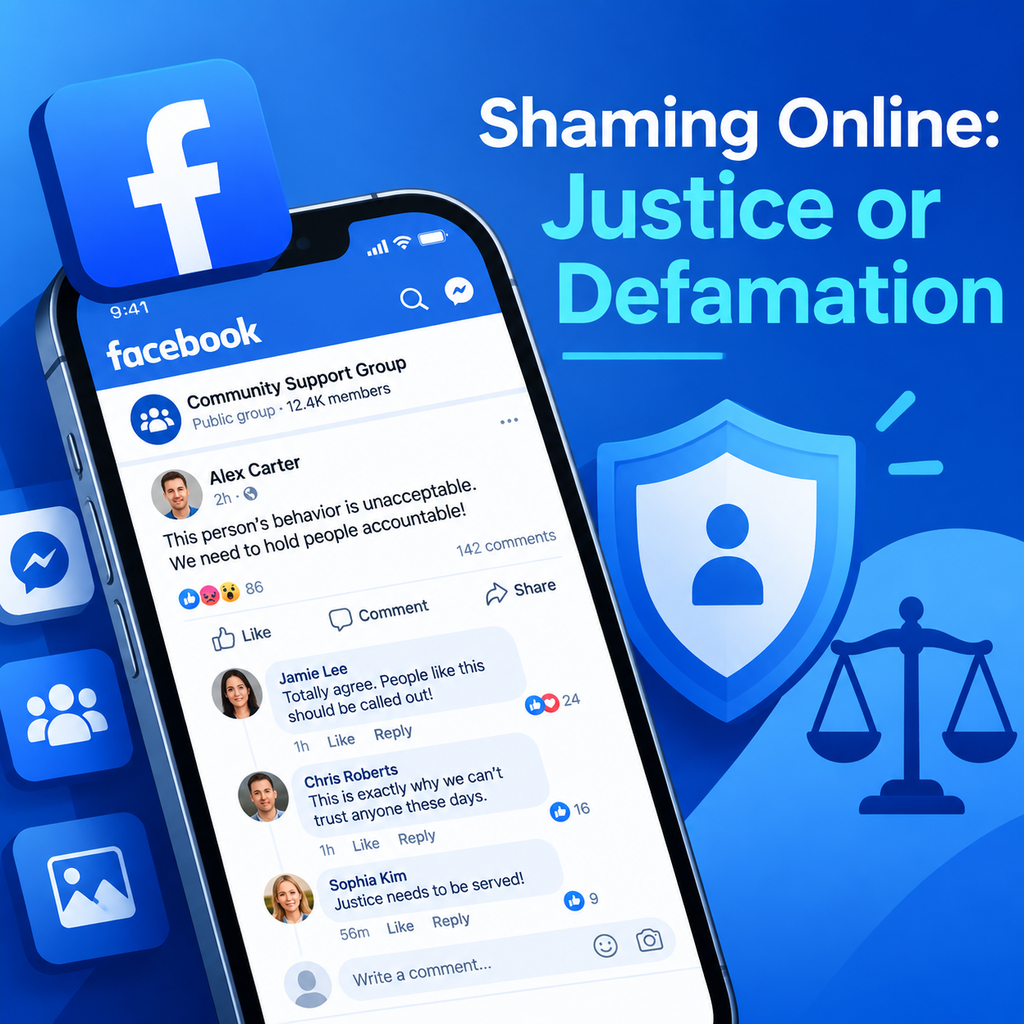
Orchard, Chamberlain: Online groups toe line between protecting women, defaming men
When Dating Goes Digital: The Rise of Vigilante Communities
Online dating has become a minefield. From ghosting to gaslighting, the quest for love often comes with a side of emotional shrapnel. In response, a new form of digital justice has emerged: online vigilante communities that expose and shame daters—particularly men—accused of bad behavior. These groups, often hosted on platforms like Facebook, have sprung up with the noble goal of protecting women from cheaters, abusers, and financial exploiters. But as two Western University professors, Orchard and Chamberlain, explore in their research, these communities toe a fine line between safeguarding women and defaming men. It's a modern dilemma that pits safety against reputation, and truth against legal risk.
The Mechanics of Shame: How These Groups Operate
At their core, these online communities function as grassroots warning systems. Members—typically women—post information about 'red flag' men using screenshots of dating app profiles, text exchanges, and sometimes memes. Many posts are anonymous, contain trigger warnings, and are difficult to read because they detail awful instances of coercion, assault, racism, extortion, and abuse. The first such group was launched on Facebook in New York in 2022 by women who wanted to protect one another from men who cheat, are violent, or exploit them financially. Since then, similar groups have proliferated across cities and campuses, creating a digital sisterhood that shares intel on potential predators.
The Power of Anonymity
Anonymity serves a dual purpose: it encourages victims to come forward without fear of retaliation, but it also shields accusers from accountability. While this can be empowering for survivors, it also opens the door to false accusations and mob justice.
The Legal Tightrope: Defamation and Free Speech
Here's where things get murky. Online posts stating that someone has behaved poorly in the dating context could be considered defamatory. In many jurisdictions, defamation occurs when a false statement is published that harms a person's reputation. If the accused can prove the statement is false, they may sue for damages. And because these posts are public and often include photos, the reputational harm can be severe—leading to lost jobs, relationships, and mental health struggles. The professors point out that students who experience distressing dating experiences, including gender-based and sexual violence, may post the names and photos of perpetrators online to call out violence and protect fellow students. However, in doing so, they could be vulnerable to defamation suits if they cannot legally prove that the statements are true.
Truth as a Defense
The best defense against defamation is truth. But proving truth in court can be a grueling process, especially for survivors of trauma. This legal hurdle often discourages victims from speaking out, perpetuating a cycle of silence.
The Campus Conundrum: Universities Caught in the Crossfire
Universities are increasingly finding themselves at the center of this controversy. Students, empowered by digital platforms, are taking justice into their own hands. But universities have a responsibility to protect all students—both the accused and the accuser. To safeguard students, universities should ensure they are able to come forward about abuse, whether to file formal complaints or to obtain other supports. Universities should also consider distributing information about online dating and social media issues so students better understand their rights and risks when it comes to gender-based and sexual violence, dating, and campus safety. The balancing act is delicate: how do you encourage reporting without endorsing vigilantism?
The Role of Title IX and Campus Policies
In the US, Title IX mandates that universities address sexual harassment and violence. But online shaming falls into a gray area. Some argue that universities should educate students about defamation risks and provide alternative avenues for justice, such as mediation or restorative practices.
Beyond Vigilantism: The Spectrum of Online Civilian Policing
Online vigilante groups are not monolithic. Research identifies three main types: 'vigilantes' who carry out retributive actions like hacking or harassment; 'civilian police' who collect and relay information to law enforcement; and 'hybrid' organizations that do both. The dating shaming groups often fall into the vigilante category, as they mete out social punishment without due process. But some groups collaborate with police, sharing evidence of crimes. This spectrum highlights the complexity of digital justice: while some groups operate within the law, others skirt it dangerously.
The Potential for Positive Impact
When done responsibly, these groups can serve as a warning system and a support network. They can also pressure law enforcement to take allegations seriously. But without oversight, they risk becoming tools of revenge.
Protecting Women, Defaming Men: The Gender Dynamics
The groups are predominantly female, and the accused are predominantly male. This gender dynamic raises questions about power and privilege. Proponents argue that women are disproportionately affected by dating violence and that these groups provide a necessary counterbalance to a justice system that often fails them. Critics counter that these groups can destroy innocent men's lives based on unverified claims. The professors' research underscores the need for a nuanced understanding: while the intent is to protect women, the methods can sometimes constitute defamation. It's a classic case of the ends not justifying the means—or do they?
Intersectionality and Marginalized Voices
It's also important to consider how race, class, and sexuality intersect with these dynamics. Marginalized groups may face additional barriers to reporting abuse, making online forums a vital lifeline. But they are also more vulnerable to online harassment and defamation.
Navigating the Future: Solutions and Safeguards
So, where do we go from here? The professors suggest that universities and platforms should take a proactive approach. This includes developing clear policies on online shaming, providing legal education to students, and creating safe reporting mechanisms. Platforms like Facebook could also play a role by moderating content more effectively and offering tools for verifying claims. Ultimately, the goal is to protect victims without trampling on the rights of the accused. It's a delicate balance, but one that is essential in the digital age.
The Importance of Digital Literacy
Teaching digital literacy—including the legal and ethical implications of online posts—can empower individuals to make informed choices. It's not about silencing survivors but about channeling their voices toward constructive outcomes.