Why Sinister ‘Cat in the Hat’ Videos Are Prompting Police Warnings
A Childhood Icon Turns Menacing
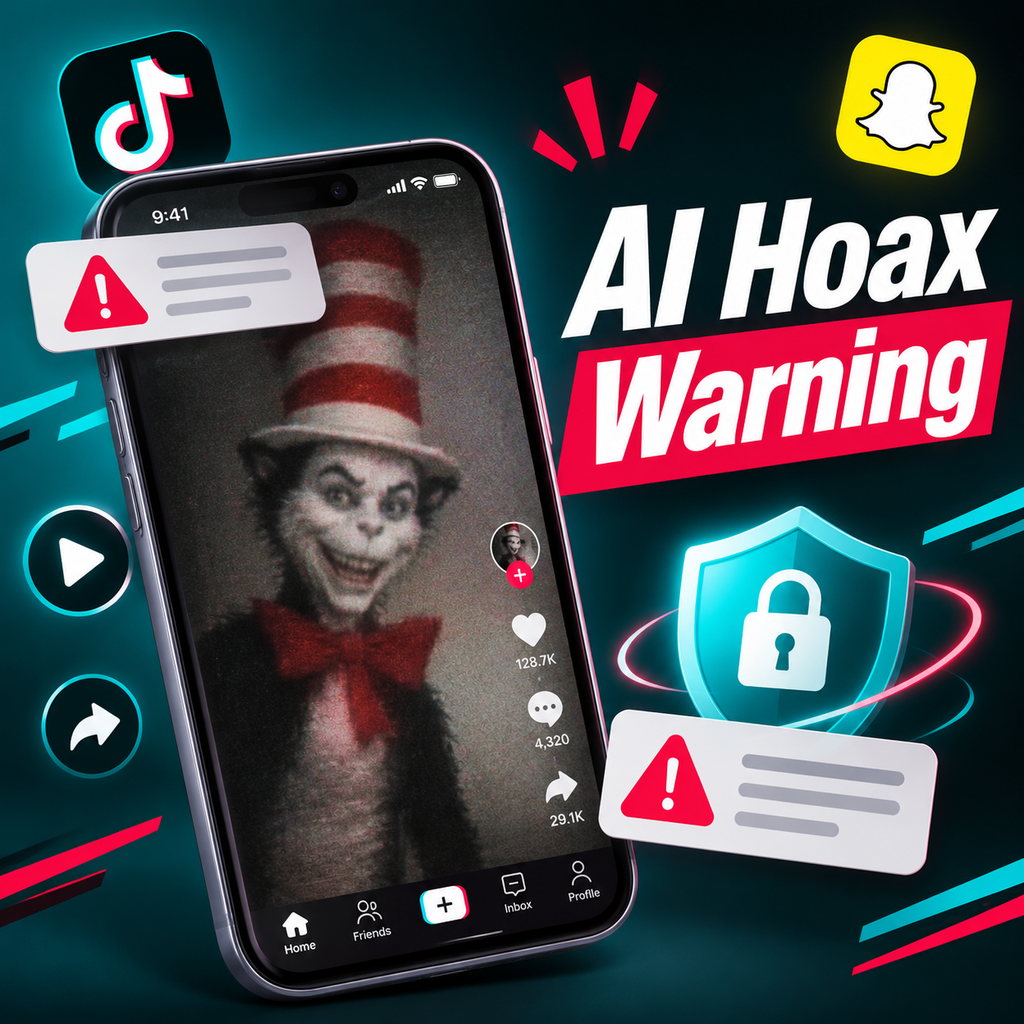
Imagine scrolling through TikTok or Snapchat and stumbling upon a grainy, nightmarish video of the Cat in the Hat—not the whimsical Dr. Seuss character you remember, but a sinister figure lurking in dark alleys, seemingly threatening children. That's exactly what's happening across social media, where AI-generated videos of a macabre version of the beloved character have sparked fear and confusion among kids and parents alike. These clips, often set in recognizable neighborhoods, have prompted police departments in multiple countries to issue warnings and reassurances. But what's driving this trend, and why are authorities so concerned?
The Anatomy of the Viral Hoax
At the heart of this phenomenon are AI-generated images and videos that place the Cat in the Hat—specifically inspired by the widely panned 2003 live-action film starring Mike Myers—into real-world settings. Using readily available AI tools, users can superimpose the character onto photos or videos of streets, schools, and homes, creating the illusion that a life-sized, menacing cat is roaming the area. The videos often come with captions like "I'm coming for you" or "Lock your doors," and they're shared with alarming speed across platforms like TikTok, Snapchat, and Facebook. According to Greg Mays, deputy commissioner for the Tennessee Office of Homeland Security, these are "screen captures and reimaging of 'Cat in the Hat' figures, primarily from the 2003 live-action movie." The result is a modern-day urban legend that feels terrifyingly real to young viewers.
From Ireland to the U.S.: A Global Phenomenon
The trend didn't stay confined to one region. It first gained traction in Ireland, where images of the creepy cat appeared in Limerick, Cork, and Wexford, prompting local Gardaí to issue statements clarifying that the images were AI-generated. Similar reports soon emerged in the UK, with police in South Yorkshire denying claims of a "killer Cat in the Hat" and warning the public not to believe everything they see online. By September 2026, the trend had reached the United States, with security officials in Tennessee and Kentucky investigating the videos. Finland also caught the wave, with schools in Kokkola alerting parents after children expressed genuine fear. "The threat is specific to videos created with AI, not to real dangerous situations," said Kaisa Rissanen of Someturva, a Finnish online safety service. Yet the fear is real, and it's spreading.
Why Kids Are So Spooked
For children, the line between fiction and reality can be blurry—especially when the content is tailored to their own neighborhoods. Many of the videos incorporate local landmarks or street names, making the threat feel personal. "There were posts on social media warning that the figure would show up in this area. According to messages from guardians, this is worrying kids," said Jyrki Mikkonen, principal of Koivuhaka School in Kokkola, Finland. The eerie, grainy quality of the footage only adds to the creepiness, mimicking the found-footage style of horror movies. And because the character is based on a familiar children's book, it creates a jarring contrast that's deeply unsettling. As Rissanen notes, "children's fear is genuine" even if the threat isn't.
Police and Schools on High Alert
Law enforcement agencies have had to divert resources to address the panic. In Tennessee, the Office of Homeland Security is investigating several videos, while in the UK, police have released statements assuring the public that the cat is not real. In one particularly strongly-worded statement, a spokesperson for Wexford Garda wrote: "To be clear, the Cat in the Hat was not in your driveway while you were out and he is not currently hiding out in Curracloe." Schools have also stepped up, sending letters to parents and holding assemblies to explain the hoax. Some police departments have even warned about fake social media accounts posing as official police sources, further muddying the waters. The challenge is balancing reassurance with the need to address the underlying issue of digital literacy.
The Real Danger: Misinformation and Panic
While the Cat in the Hat himself isn't a physical threat, the spread of these videos can have serious consequences. False reports of sightings have led to unnecessary police calls and wasted resources. In one incident, a concerned parent in the UK called 999 after her daughter showed her a video of the Cat in the Hat inside their home—only to discover it was an AI prank. Moreover, the trend risks normalizing the idea that AI can be used to create convincing but harmful content. As the BBC notes, "AI enables people to be more specific with locations, making the images seem more relatable." This relatability is what makes the hoax so effective—and so dangerous. It's a wake-up call for parents, educators, and platforms to prioritize digital literacy and critical thinking skills.
How to Spot a Fake and What to Do
So how can you tell if a Cat in the Hat video is AI-generated? First, look for inconsistencies: unnatural lighting, blurry edges, or a character that doesn't quite match its surroundings. Check the source—is the account official? Does the video appear on multiple platforms with different locations? If it's a meme, it's likely fake. Police advise pausing before sharing: ask yourself, "Is this real? Could it cause harm?" If you're unsure, don't share. And if you see a threat against a specific school or individual, report it to the authorities. As the BBC advises, "treat invitations to meet strangers, especially at night or in isolated places, as a serious warning sign." The key is to stay informed and skeptical without panicking.
The Future of AI Hoaxes and Digital Literacy
This isn't the first time a viral trend has caused real-world fear—the creepy clown sightings of 2016 come to mind—but AI raises the stakes. With tools becoming more accessible, it's easier than ever to create convincing fake content. That's why experts are calling for a broader conversation about digital security. "This is a good wake-up call that we need to address these topics more broadly," says Rissanen. Schools and parents can play a role by teaching kids to question what they see online and understand how AI can be used to manipulate. As for the Cat in the Hat, he may be a fictional character, but the fear he's generating is all too real. The best defense is awareness—and a healthy dose of skepticism.