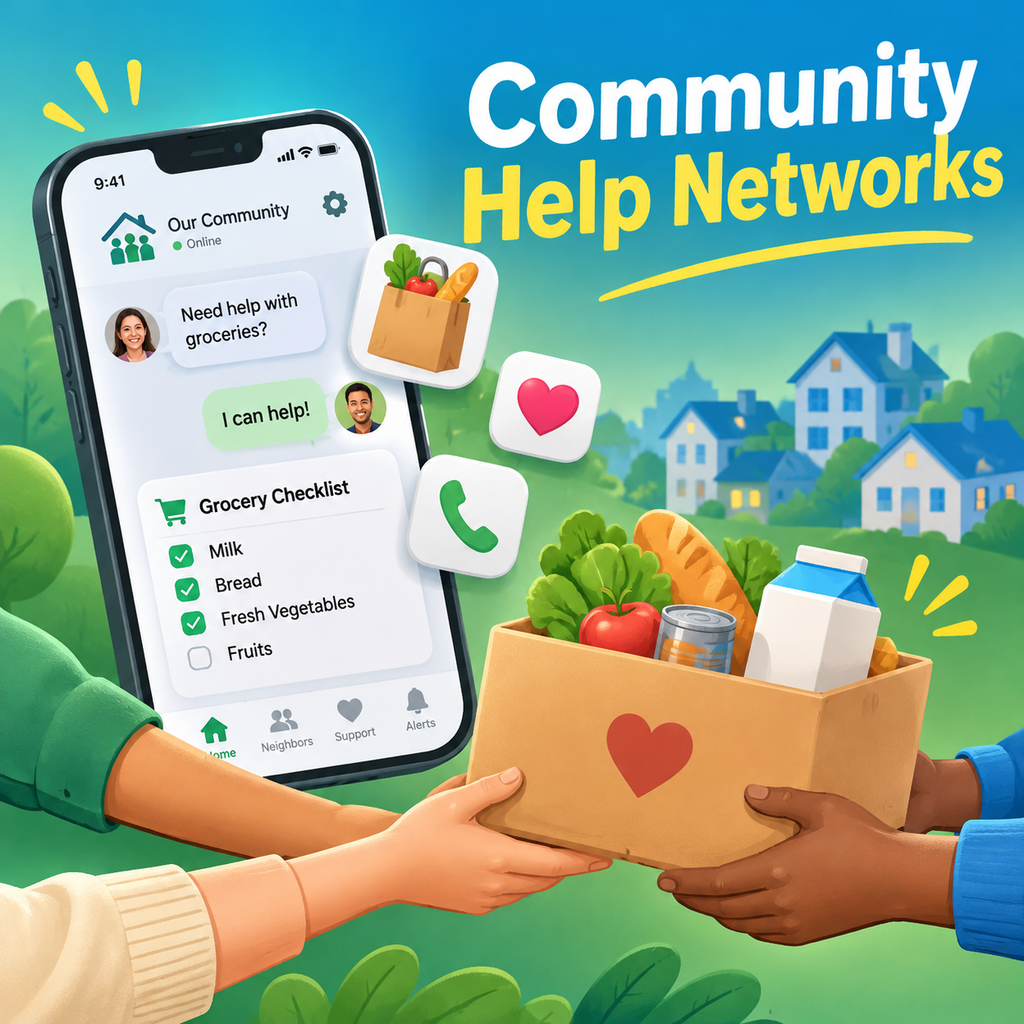
List of community groups set up to help the vulnerable through coronavirus crisis
When Communities Step Up: The Grassroots Response to COVID-19
When the coronavirus pandemic forced the UK into lockdown in March 2020, everyday life ground to a halt. But within days, a quiet revolution was underway. Neighbours who had never spoken before were exchanging phone numbers. Football clubs transformed into food delivery services. Teachers, faith leaders and retirees all asked the same question: how can I help? What emerged was an extraordinary patchwork of community groups, mutual aid networks and volunteer armies determined to ensure that no one faced the crisis alone.
The speed and scale of this grassroots mobilisation caught many by surprise. According to the Irish FA, more than 50 football clubs across Northern Ireland alone were actively delivering food or medicine to the most vulnerable. Similar stories played out in towns and cities across the country, proving that even in the darkest moments, human kindness finds a way.
Mutual Aid Groups: Neighbours Helping Neighbours
One of the most striking developments was the rise of mutual aid groups. These hyper-local networks, often organised through Facebook or WhatsApp, matched volunteers with people who needed help with shopping, prescription pickups or simply a friendly phone call. In Doncaster, teacher Cat McCarthy set up the Doncaster Covid-19 Mutual Aid Group after seeing friends do the same elsewhere. Within days, the group had 267 members and counting.
“It’s the nature of teachers to be concerned,” she explained. “We work with children day to day and we are exposed to vulnerable people and their needs.” The group’s approach was simple: members could post if they needed help or if they could offer it, creating a direct line between those isolating and those able to assist. Crucially, McCarthy insisted the group would only share facts about the virus, avoiding misinformation and panic.
This model spread rapidly. In Lambeth, for example, independently run WhatsApp groups were organised by ward, allowing residents to connect with volunteers in their immediate area. The council even published a map so people could find their local group with ease.
Sports Clubs Kick Into Action
Football clubs, often the heartbeat of their communities, were quick to pivot from match days to meal deliveries. The Irish FA praised the response of local clubs, with director of football development Michael Boyd noting that “through our grassroots networks we are aware of more than 50 football clubs across the country actively delivering food or medicine to the most vulnerable in our society.”
In south Belfast, Rosario FC joined forces with a local boxing club and GAA club to run a food bank service. Chairwoman Ciara Louise Boyes said: “The volunteers have worked tirelessly, and we have nothing but admiration for them. The parents and members of the clubs have been very generous with donations.” The clubs also provided activities and information to keep their communities connected during lockdown. Boyes added: “One great aspect of this awful virus is the community spirit which has grown from strength to strength.”
Faith Groups and Councils Provide a Safety Net
Faith groups and local authorities also played a vital role. In Brighton & Hove, the council set up a £150,000 Coronavirus emergency fund to help community and voluntary organisations supporting vulnerable residents. Grants of up to £5,000 were made available to cover volunteer expenses, transport, staff costs and other essential running costs. Councillor Alan Robins said: “Everyone is pulling together at this time, and we want to provide financial support to those community groups who are doing a fantastic job.”
Meanwhile, councils worked closely with NHS partners and the voluntary sector to ensure that vulnerable people could access support. In Lambeth, residents were encouraged to start with the people they knew—family, friends and neighbours—before reaching out to wider networks. The council also provided guidance on safe volunteering, emphasising the importance of handwashing and social distancing to protect those most at risk.
Keeping Spirits High: Initiatives to Tackle Isolation
Isolation was one of the most pressing challenges of the pandemic, particularly for the elderly and those living alone. Community groups responded with creative solutions to keep people connected. The Irish FA launched “A Wee Football Chat,” an initiative aimed at tackling isolation by connecting people through a shared love of the game. Volunteers also made regular phone calls to check on those who were shielding, offering both practical help and a listening ear.
In Doncaster, group members dropped leaflets through elderly people’s doors offering assistance, from grocery shopping to a friendly chat. “This group will only be posting facts about the virus—we do not want to spread misinformation or whip up any more negative discontent,” McCarthy stressed. “We want to keep it focused on offering support to people who need it.”
How to Get Involved and Stay Safe
For those eager to help, the advice was clear: start local and stay safe. Councils across the country encouraged residents to register as volunteers through official channels, and many provided guidance on how to assist without putting yourself or others at risk. In Lambeth, volunteers were asked to follow strict safety protocols, including staying at home if they had symptoms and maintaining social distancing at all times.
Donations of food and money were also welcomed. The Lambeth Larder Community Food Resource helped connect people to emergency food, while the Lambeth Food Bank Fund supported organisations with the greatest impact. Nationally, the Red Cross launched its Coronavirus Appeal. But perhaps the most important message was about shopping responsibly—buying only what you need so that vulnerable residents and key workers could also access supplies.
A Silver Lining in Unprecedented Times
Despite the fear and uncertainty of the pandemic, the response of community groups revealed a deep well of compassion and solidarity. From football clubs delivering groceries to mutual aid groups checking on neighbours, the crisis brought out the best in people. As Ciara Louise Boyes put it, “the community spirit which has grown from strength to strength” is one positive to emerge from a deeply challenging period.
These groups didn’t just provide essentials—they offered connection, reassurance and hope. They showed that even when we must stay apart, we can still come together. And as we look to the future, the legacy of these grassroots networks serves as a powerful reminder: in times of crisis, the strongest safety net is often the one we weave ourselves, neighbour by neighbour.