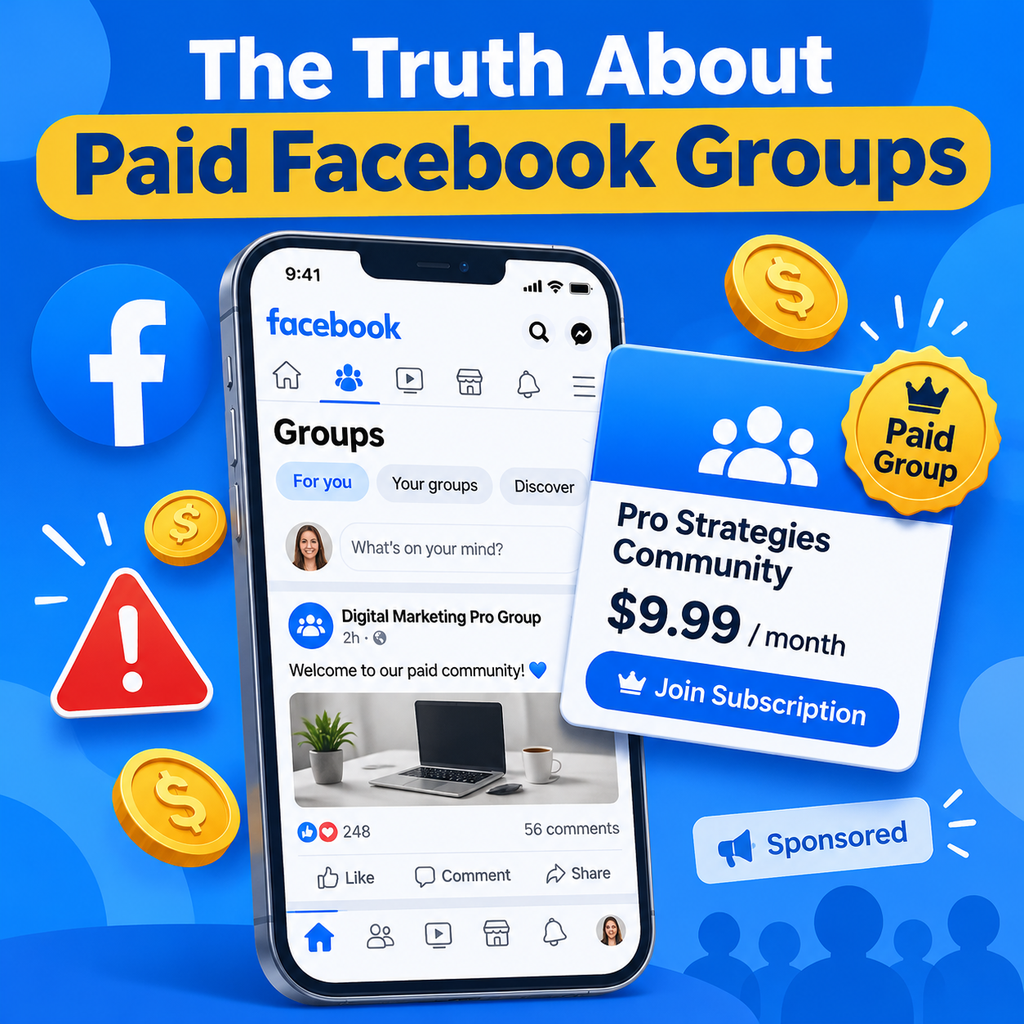
Inside the world of monetised Facebook groups, and what to look out for
How Facebook Groups Became a Money-Making Machine
Facebook groups started as simple spaces for like-minded people to connect, share advice, and build communities. But as these groups grew into massive hubs of engagement, savvy admins realized there was serious money to be made. Today, monetised Facebook groups are a thriving industry, with admins earning thousands of dollars per month through sponsorships, affiliate links, memberships, and more. But behind the scenes, not everything is as transparent as it seems. Understanding how monetisation works—and what red flags to watch for—is crucial whether you're a member or an aspiring admin.
The Rise of the Paid Community Model
One of the most common ways admins cash in is by converting free groups into paid memberships or exclusive communities. The logic is simple: if you've built a group with thousands of engaged members, why not charge for premium content? Many admins use platforms like Stripe or Mighty Networks to collect recurring payments, offering perks like exclusive posts, direct access to experts, or early event invitations. For example, a group with 1,000 members paying $48 per month could generate $48,000 monthly—a staggering figure that explains why so many admins are eager to monetise. However, this shift from free to paid can alienate long-time members, so admins must balance value with transparency.
Affiliate Links and Sponsored Posts: The Hidden Revenue Stream
Affiliate marketing is another staple of group monetisation. Admins drop links to products they recommend, earning a commission on each sale. For instance, a group focused on vintage handbags might share links to eBay listings or affiliate partners, earning a small percentage per transaction. While this can be lucrative, it also raises questions about authenticity. Are the recommendations genuine, or is the admin simply pushing products for profit? Sponsored posts are similar: brands pay admins to feature their content, often without members realizing it's an ad. The key is disclosure. Trust erodes quickly if members feel they're being sold to without their knowledge.
How to Spot a Sponsored Post
Look for subtle clues: posts that seem overly promotional, include discount codes, or tag brand pages. Admins are required by law in many regions to disclose paid partnerships, so a missing label is a red flag. Always check if the admin uses clear tags like “Ad” or “Sponsored.”
Memberships and Subscriptions: The Allure of Exclusive Content
Paid memberships have exploded in popularity, especially for groups around hobbies, professional development, or niche interests. Admins offer tiered access—free members see basic posts, while paid subscribers get exclusive content, live Q&As, or downloadable resources. Platforms like Substack or PodBean make it easy to manage subscriptions. But this model only works if the content truly delivers value. Members quickly grow resentful if they feel nickel-and-dimed for content that was once free. The most successful admins are those who over-deliver on their promises, ensuring paid tiers feel like a genuine upgrade rather than a paywall.
The Dark Side: Scams, Spam, and Shady Practices
Not every monetisation strategy is above board. Some admins exploit their groups through aggressive upselling, misleading affiliate links, or even outright scams. For instance, a group might promote a “get rich quick” course with unrealistic promises, only for members to discover the content is worthless. Others flood the feed with low-quality sponsored posts, driving members away. Spam is another issue: admins who neglect moderation can see their groups overrun with crypto schemes and fake giveaways. As a member, watch for admins who seem more interested in profit than community—and don't be afraid to report suspicious activity.
What Brand Sponsors Really Want
If you're an admin looking to attract sponsors, you need to understand what brands value. It's not just about group size; engagement and targeting matter more. A group of 5,000 highly engaged members in a specific niche can be more attractive than a 100,000-member group with low interaction. Brands want to see active discussions, clear demographics, and a track record of successful partnerships. Building a media kit with stats on member count, engagement rates, and past collaborations is essential. And remember: authenticity sells. Groups that feel organic and trustworthy are more likely to attract reputable sponsors.
Red Flags Every Member Should Know
As a member, it's important to stay vigilant. Here are key warning signs that a group's monetisation efforts might be crossing a line:
- Excessive promotion: If the feed is dominated by ads or affiliate links, the community aspect is likely suffering.
- Lack of disclosure: Sponsored posts without clear labels are a breach of trust.
- High-pressure sales tactics: Urgency to buy courses or products, especially with unrealistic promises, is a classic scam indicator.
- Poor moderation: Groups overrun with spam or scams often have admins who prioritize profit over policing.
- Sudden paywalls: If a free group suddenly demands payment for access, question the value and transparency.
Balancing Profit and Community
The most successful monetised groups strike a delicate balance. They treat their community like a business—professional, transparent, and value-driven—while never losing sight of the human connection that made the group popular in the first place. Admins who prioritize long-term trust over short-term gains build sustainable income streams and loyal members. For everyone else, the warning signs are clear. Whether you're joining a group or running one, keep your eyes open. Monetisation isn't inherently bad—but it should never come at the cost of authenticity. As the world of Facebook groups continues to evolve, staying informed is your best defense against the pitfalls of this lucrative but complex landscape.